Top 10 Tallest Buildings in Rwanda: Kigali's Rising Skyline
Rwanda’s architectural landscape is undergoing a remarkable vertical transformation. While the Land of a Thousand Hills is globally recognized for its rolling terrain, the capital city, Kigali, is steadily building upward. This shift reflects the country's economic growth and its ambition to become a regional hub for business and innovation.
The story of tall buildings in Rwanda is relatively recent but dynamic. These structures represent more than architectural achievements; they symbolize the nation's transition into a modern, forward-thinking economy. In this article, we explore the tallest buildings in Rwanda, the engineering challenges they present, and the standards that govern their construction.
Understanding Height in the Rwandan Context
Defining a "tall building" in Rwanda requires context. Unlike global metropolises where skyscrapers reach hundreds of meters, Rwanda’s high-rise structures are generally categorized by their story count and total height relative to the local building code.
- Mid-Rise: 7–15 stories (20–50 meters). Common for commercial offices and mixed-use developments.
- High-Rise: 16–25+ stories (50+ meters). These are the landmarks that define the Kigali skyline.
The regulatory environment, overseen by local authorities and guided by international standards, emphasizes seismic safety, sustainable construction, and fire safety compliance. Engineers must adapt global high-rise practices to Rwanda’s specific soil conditions and climatic needs.
The Current Leaders: Rwanda’s Tallest Structures
While few structures officially exceed 20 stories, several landmarks stand out for their height, design, and impact on the urban landscape.
1. Kigali City Tower
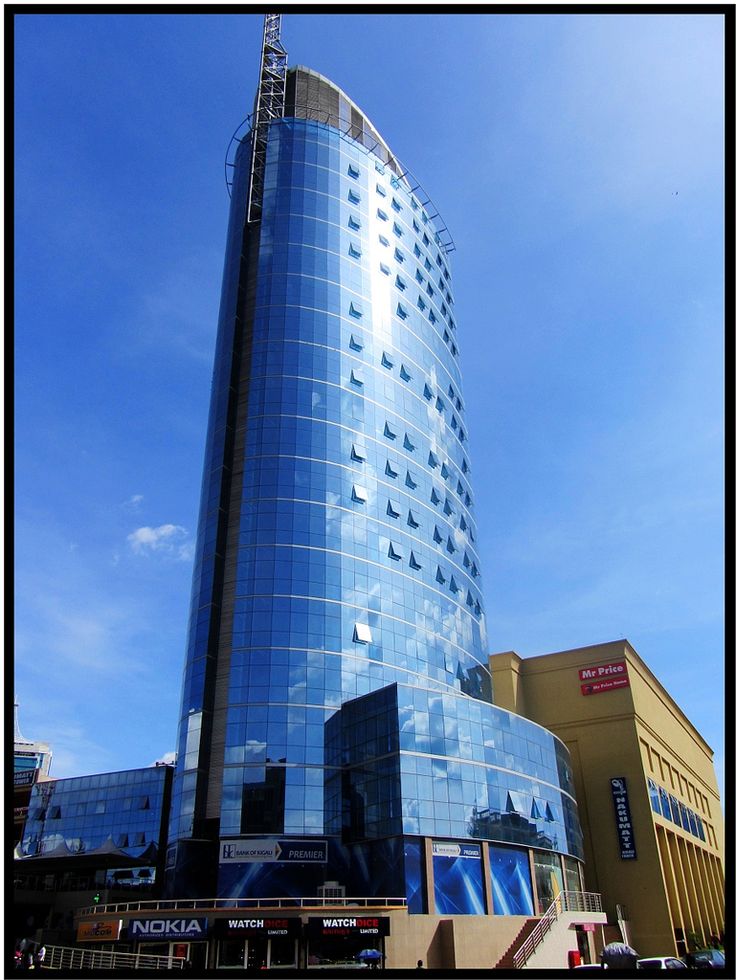
Standing as a dominant landmark in Kigali’s central business district, the Kigali City Tower is widely recognized as one of the tallest buildings in the country. Completed in 2013, this mixed-use development houses the Rwanda Stock Exchange, international banks, and premium office spaces.
Key Features:
- Height: Approximately 90 meters.
- Stories: 20 floors.
- Function: Mixed-use (Office, Retail, Financial).
- Design: Modern glass facade optimized for natural light and climate control.
The tower’s design prioritizes efficiency in a highland climate, balancing thermal comfort with energy consumption. It serves as a benchmark for structural engineering in Rwanda, demonstrating the feasibility of high-rise construction in the region.
2. The Oblisco Capitale
Located in the heart of Kigali, the Oblisco Capitale is a premier commercial complex that has significantly altered the city’s silhouette. It serves as a hub for corporate offices and retail, showcasing the shift toward integrated urban development.
Key Features:
- Function: Commercial Office and Retail.
- Significance: One of the first major high-rise commercial blocks in the city center.
- Design Focus: Vertical integration and accessibility.
3. Bank of Kigali Tower
Reflecting the growth of Rwanda’s local financial sector, the Bank of Kigali Tower is a prominent structure in the business district. It exemplifies the demand for secure, modern workspace that meets international banking standards.
Key Features:
- Primary Tenant: Bank of Kigali.
- Building Type: Commercial Office.
- Notable Features: Secure infrastructure and high-standard interior finishes.
4. The Ecobank Building
Serving as a regional headquarters for a major African banking group, the Ecobank Building represents the influx of international capital into Rwanda’s real estate market. Its construction highlights the increasing complexity of projects involving foreign investment and cross-border engineering standards.
5. Kigali Green Complex (Upcoming/Recent Additions)
As Kigali expands, new developments are pushing the boundaries of height and sustainability. The Kigali Green Complex and similar projects are introducing concepts like solar readiness and rainwater harvesting into high-rise design, aligning with global green building trends.
Engineering Challenges in High-Rise Construction
Building tall in Rwanda presents unique engineering challenges that require specialized expertise.
Soil and Terrain Considerations
Rwanda’s hilly terrain requires extensive geotechnical studies. Foundations for tall buildings must be designed to handle lateral loads and ensure stability on potentially uneven ground. This is where detailed site assessment becomes critical.
Seismic Safety
While Rwanda is not in a high-seismic zone like some parts of the Horn of Africa, building codes still mandate seismic resilience. Engineers must design structures that can withstand minor to moderate seismic activity without compromising integrity.
Climate Control
Kigali’s temperate highland climate allows for natural ventilation in many designs, but high-rise buildings require sophisticated HVAC systems to manage heat buildup in glass facades. Energy efficiency is a key metric in modern Rwandan construction.
The Role of Professional Project Management
Delivering a tall building in Rwanda requires more than just structural design. It demands rigorous project management to coordinate multiple disciplines, from civil engineering to MEP (Mechanical, Electrical, and Plumbing) systems.
Why Professional Management Matters:
- Permit Compliance: Navigating zoning checks and authority approvals is complex for high-rise projects.
- Quality Control: Ensuring that materials and finishes meet international standards.
- Schedule Adherence: High-rise projects are capital-intensive; delays carry significant financial risks.
Firms like White Rock Ltd, with over a decade of experience in Rwanda, bring essential local knowledge and technical precision to these projects. By combining design, engineering, and construction under one roof, they streamline the workflow and reduce the risk of miscommunication between stakeholders.
Future Prospects for Kigali’s Skyline
The future of Rwanda’s architectural landscape is bright. With ongoing infrastructure development and increasing foreign direct investment, we can expect to see more structures exceeding 20 stories. The focus is shifting from mere height to sustainable, mixed-use developments that integrate residential, commercial, and recreational spaces.
Key trends to watch include:
1. Smart Building Systems: Integration of IoT for energy and security management.
2. Green Certifications: More buildings targeting LEED or equivalent local green standards.
3. Mixed-Use Verticality: Combining retail, office, and residential in single towers to maximize land use in the city center.
Conclusion
Rwanda’s tallest buildings are more than just steel and glass; they are testaments to the country’s engineering capabilities and economic aspirations. From the Kigali City Tower to emerging commercial hubs, these structures define the modern identity of Kigali.
If you are planning a high-rise or complex commercial project in Rwanda, partnering with a firm that understands both global standards and local regulations is essential. At White Rock Ltd, we specialize in turning ambitious visions into durable, compliant, and aesthetically sound structures. Whether you are looking for design, engineering, or full construction services, our team is ready to help you build the future.
Contact us today to discuss your next project.